LESS

A Ray-tracing based 3D Radiative Transfer Model

LESS is a radiative transfer modeling tool developed since 2013, which is specifically designed for 3-D heterogeneous land-surface scenes, capable of accurately simulating multispectral, hyperspectral, LiDAR and other remote-sensing data. It provides user-friendly GUI as well as Python SDK.

中文介绍

教材《植被三维辐射传输建模与应用》

New: LESS 3.x

Need GPU acceleration? LESS 3.x is the new native implementation powered by NVIDIA OptiX, Vulkan Ray Query, and Intel Embree, with support for Windows and Linux.

Core Features

The LESS model incorporates state-of-the-art ray-tracing algorithms, delivering powerful simulation capabilities for remote-sensing research and applications.

Complex 3D Scene

LESS supports the simulation of complex 3-D heterogeneous land-surface scenes, including forests, cities, and other natural environments.

High-efficiency Simulation

LESS uses the state-of-art ray-tracing techniques based on a a open-source renderer Mitsuba. LESS can simulate large-scale (e.g., > 1 km) satellite images over explicit 3D scenes.

Rich Simulation Products

By combining weighted forward photon tracing with backward path tracing, it precisely and efficiently simulates multispectral, hyperspectral, thermal-infrared and other remote-sensing signals.

A Brief Introduction of LESS

Application Scenarios

The LESS model demonstrates outstanding application value across a wide range of science domains, including remote sensing of forest ecosystem, urban environment and agriculture.

  • 森林遥感

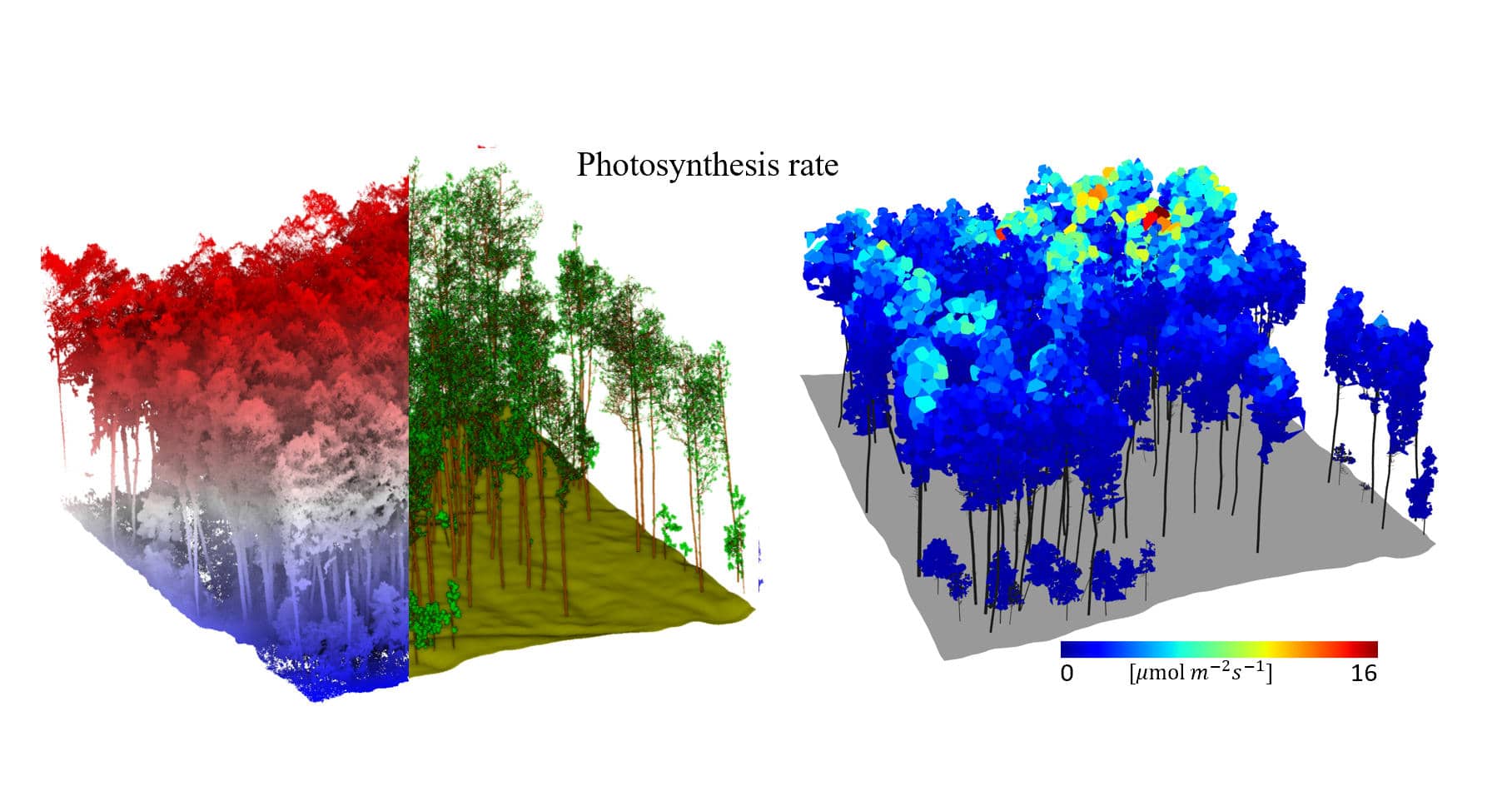
    Forest Ecosystem Monitoring

    Simulate the photosynthetic, chlorophyll fluorescence, and carbon cycle processes of the forest canopy.

  • 城市遥感

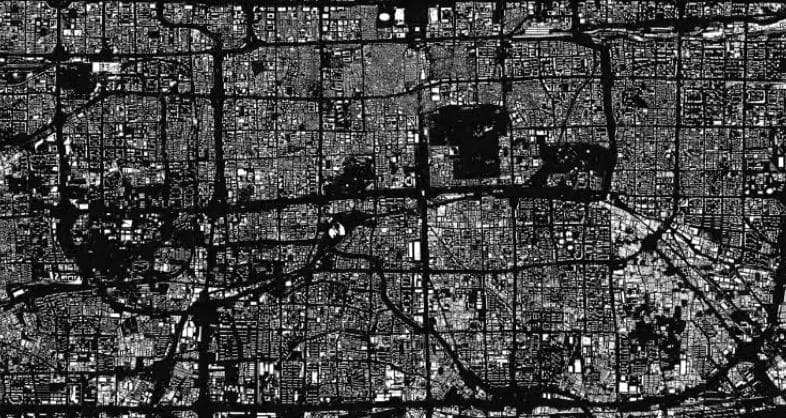
    Urban Environment Monitoring

    Analyze the urban heat effect and the shading impact of buildings on radiative transfer.

  • 激光雷达

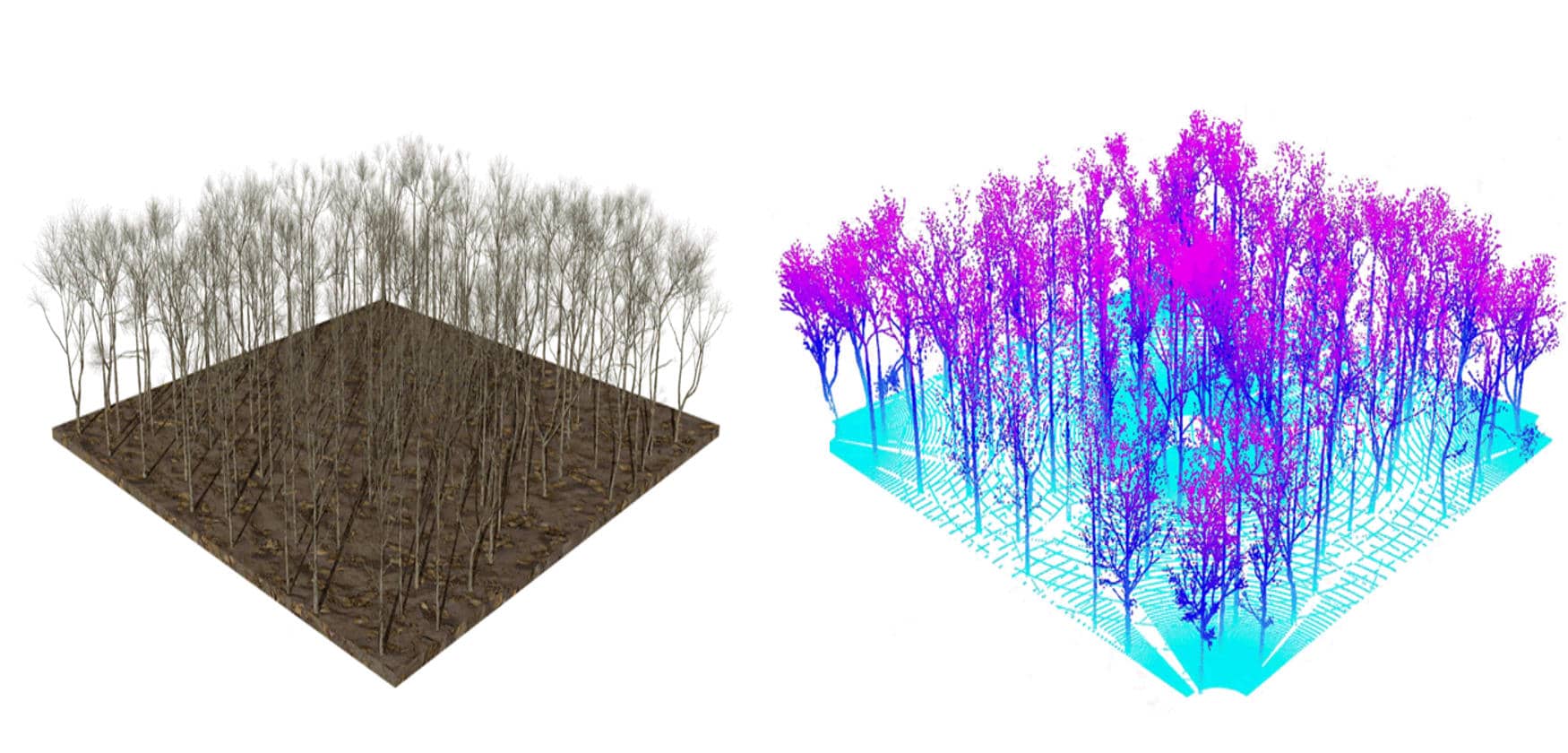
    LiDAR Simulation

    Generate high-precision LiDAR waveforms and point cloud data.

  • 高光谱成像

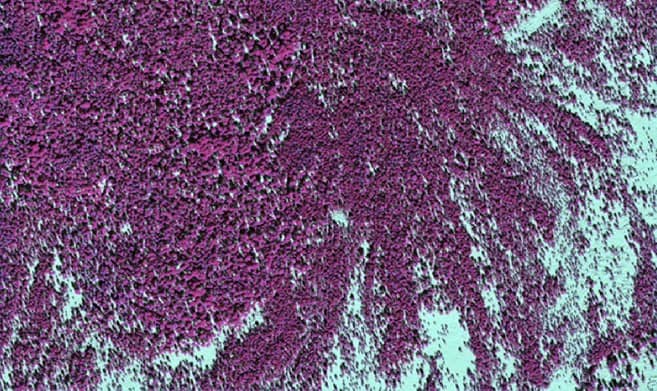
    Hyperspectral Imaging

    Simulate hyperspectral remote sensing data for fine spectral analysis.